
February 9, 2026 15:04
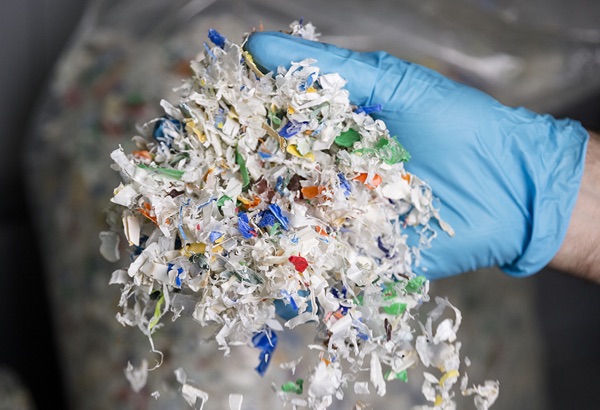 According to reports from Brussels, the Waste Technical Adaptation Committee for the EU’s Single-Use Plastics Directive (SUPD) last Friday approved the draft implementing act setting out the rules for counting recycled PET toward the minimum recycled content in plastic beverage bottles, currently 25% and set to rise to 30% from 2030.
The document introduces two major changes. The first allows chemically recycled PET to be attributed via certified mass balance, calculated using the “fuel-use exempt” method.
The second excludes, until November 2027, PET recycled outside the EU from being counted toward the minimum recycled content in PET bottles.
Together, the two measures are expected to shield PET bottle producers—particularly recyclers—from low-cost Asian imports, while encouraging the investment in plants needed to secure medium- to long-term availability of recycled PET produced in Europe.
While mechanical recycling trade associations have yet to comment, Chemical Recycling Europe (CRE) has welcomed the opening to chemical recycling. “Overall, today’s decision is a pragmatic and forward-looking step that translates policy ambition into effective rules. It strengthens legal certainty, reduces fragmentation, and offers a more stable basis for authorities and market actors,” CRE said in a statement.
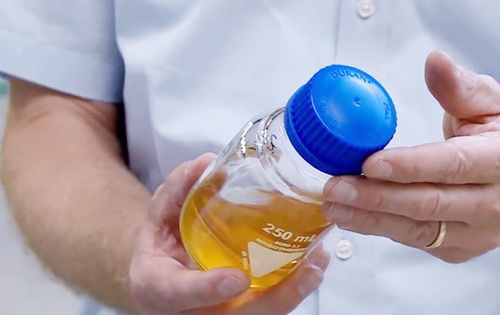 “Europe needs a wider set of solutions to meet recycled-content objectives while reflecting the realities of waste streams,” the association added. “Chemical recycling can help handle specific fractions that are difficult to recycle mechanically and convert them into feedstocks suitable for new materials.”
“From an industrial perspective, the decision is also enabling. It supports the use of existing European petrochemical assets and know-how to integrate recycled feedstocks, while providing a clearer investment signal for new and upgraded capacity across sorting, pre-treatment, chemical recycling, and downstream processing,” CRE noted.
On the other side, environmental network Zero Waste Europe has criticised the chosen mass-balance allocation method, the “fuel-use exempt” approach. “Legitimising ‘chemical recycling’ will allow manufacturers to make unsubstantiated claims about how much recycled content their products actually contain,” the association argues. “Zero Waste Europe strongly opposes the inclusion of a mass balance approach for accounting recycled content based on the ‘fuel-use exempt’ allocation rules, which would allow companies to claim and market products as made from recycled materials regardless of their true content. These rules are worsened by the ‘dual-use output’ concept, which grants even more flexibility in how to attribute the ‘recycled content’.”
Moreover, Zero Waste Europe says adopting this approach under the SUPD sets a “dangerous precedent that will most likely impact other key pieces of legislation such as the PPWR and the End-of-Life Vehicles Regulation (ELVR).”
© Polimerica - Reproduction prohibited, all rights reserved

