
June 26, 2026 12:56
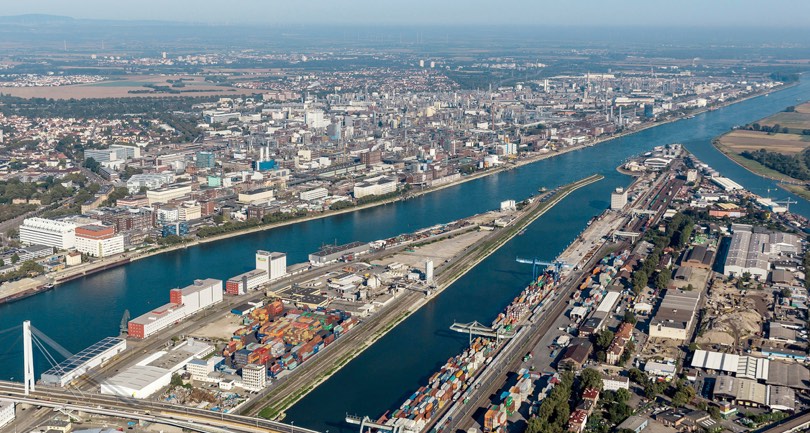 According to the online magazine TrasportoEuropa, extreme heat combined with limited rainfall in recent weeks is reviving the risk of a water emergency on the Rhine, one of the main transport arteries for chemical products in Northern Europe.
What is being described as an early low-water period is affecting both the Swiss and German sections of the river, although commercial navigation has not yet come to a halt. However, with high temperatures and a lack of rain expected to continue until early July, concerns are growing over a further decline in water levels in the coming weeks.
The impact on freight transport is already evident in loading capacity, according to TrasportoEuropa. At the Kaub gauge, a critical point for navigation on the Middle Rhine, a large container barge can travel fully loaded only when water levels are around 250-260 centimetres. At 135 centimetres, capacity already falls to 50%, and at 75 centimetres to 25%. Below 40 centimetres, freight navigation becomes practically unviable, except for vessels designed for very shallow draughts.
With levels of around 104-107 centimetres recorded on 20 June, and later readings falling below one metre, inland shipping companies are reducing cargo loads, increasing sailing frequencies and facing higher unit costs, even without a general shutdown of traffic.
The Rhine-based chemical industry is structurally dependent on the river for the transport of liquid and solid raw materials and intermediates, making it one of the sectors most exposed to prolonged low-water periods.
In 2018, one of the worst years for inland navigation on the Rhine, BASF estimated the overall impact on annual earnings at around €250 million, including about €200 million in the fourth quarter alone. The effect was linked to logistics disruptions, lower plant utilisation and additional costs for alternative transport.
 Covestro is already applying established protocols, including additional low-draught vessels, increased frequencies, preventive stocks of raw materials and faster removal of finished products to free up storage capacity. For now, according to TrasportoEuropa, these plans remain activated on a precautionary basis, with slightly higher inventories in tank farms and some sensitive shipments shifted to rail.
German regional chambers of commerce are advising companies to diversify carriers, secure back-up rail contracts and invest in dedicated warehouses to manage flows during a crisis. More structural solutions are also under consideration, including inland vessels designed for low-water conditions, selective infrastructure works on the waterway and stronger intermodal terminals able to handle rapid modal shifts when the Rhine falls below certain thresholds.
German and Swiss operators, TrasportoEuropa notes, are also focusing on prevention: adapting production plans, plant maintenance schedules and the modal mix of transport to avoid a sudden shock like the one seen in 2018.
The underlying issue, highlighted by economists and industry associations, remains unchanged: low water on the Rhine has become a recurring risk rather than an exception, and must now be incorporated into the logistics and financial planning of companies operating along the Rhine-Alpine corridor.
© Polimerica - Reproduction prohibited, all rights reserved

